
Email:
sales@bsmri.com
fanxiaobo@bsmri.com


Corrosion is a significant problem for both industry and the environment, as it leads to the deterioration of materials, particularly metals, over time due to environmental factors such as moisture, oxygen, chemicals, and extreme temperatures. The process of corrosion can cause structural failures, expensive maintenance costs, and environmental hazards, making it a challenge in industries like manufacturing, construction, energy, and transportation. One of the most effective solutions to combat corrosion and mitigate its harmful effects is the use of corrosion resistant alloys. These alloys are specifically engineered to resist the adverse effects of corrosion, providing greater durability and performance in harsh environments. This article will explore the environmental impact of corrosion and how corrosion resistant alloys can help to minimize these negative effects.

Corrosion not only accelerates the degradation of industrial components but also has a far-reaching environmental impact. The breakdown of metal structures and materials can lead to the release of harmful substances into the environment. For example, the corrosion of pipelines, storage tanks, or industrial equipment can result in the leakage of hazardous chemicals, oils, or heavy metals into water sources and soil, which can severely affect ecosystems and human health. Additionally, the corrosion of transportation infrastructure, such as bridges and vehicles, can lead to more frequent repairs and replacements, which ultimately increases waste generation and contributes to landfill pollution. As these materials deteriorate, the need for frequent maintenance and replacements puts unnecessary strain on natural resources and increases carbon emissions, further impacting the environment.
Moreover, industries that rely on heavy machinery and infrastructure face increased costs for repairs and replacements, contributing to resource overuse. As industries push toward sustainable practices, addressing corrosion through innovative solutions like corrosion resistant alloys can significantly reduce both environmental damage and long-term costs associated with material degradation.
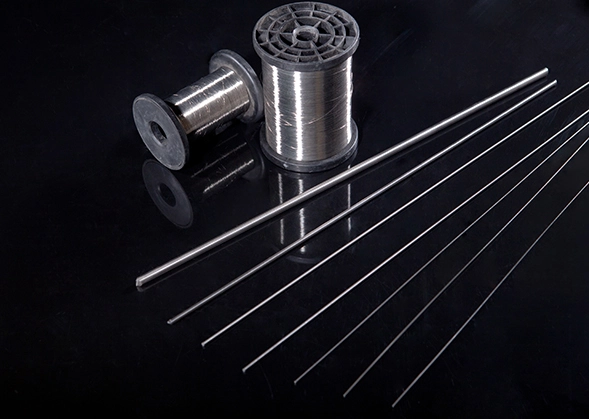
Corrosion resistant alloys are specifically designed to resist corrosion, oxidation, and wear caused by harsh environmental conditions. These materials are typically composed of metals such as stainless steel, nickel alloys, and other compounds that have been engineered to provide superior resistance to corrosive elements like salt, moisture, and chemicals. By integrating corrosion resistant alloys into industrial and construction projects, companies can prevent the release of toxic substances into the environment that would otherwise result from metal corrosion.
The primary benefit of using corrosion resistant alloys is their ability to protect equipment and infrastructure from degradation, thus extending their service life and reducing the frequency of replacements. This not only reduces waste but also conserves natural resources by minimizing the need for new materials to replace corroded components. Additionally, by using these alloys in critical applications such as pipelines, reactors, and chemical tanks, companies can prevent hazardous leaks and spills that can contaminate the environment.
In recent years, there has been a strong shift towards sustainable manufacturing practices, and corrosion resistant alloys are an essential part of this movement. These alloys help manufacturers extend the lifespan of their products, which in turn leads to fewer resources being consumed for repairs and replacements. By using corrosion resistant alloys, industries such as energy production, oil and gas, and infrastructure can reduce their environmental footprint, as these materials require less frequent replacement and have a longer service life.
For example, in the power generation industry, the use of corrosion resistant alloys in turbines and boilers helps prevent corrosion-induced failures, leading to greater efficiency and reduced downtime. Similarly, the automotive and aerospace industries benefit from using corrosion resistant alloys in structural components, which improves the longevity of vehicles and reduces the environmental impact of vehicle production and waste.
When comparing corrosion resistant alloys with traditional materials such as carbon steel or non-alloyed metals, it becomes evident that corrosion resistant alloys offer significant advantages. Below is a comparison table showcasing the key differences between corrosion resistant alloys and conventional materials:
Property | Corrosion resistant alloys | Carbon Steel | Non-Alloyed Metals |
Resistance to Corrosion | Excellent | Low | Moderate |
Longevity | Extended | Shorter lifespan | Varies depending on composition |
Environmental Impact | Reduces waste, conserves resources | Increased waste, resource depletion | Varies, often requires more frequent replacements |
Common Applications | Marine, chemical, energy sectors | General industrial use | Basic industrial applications |
As shown in the table, corrosion resistant alloys outperform both carbon steel and non-alloyed metals in terms of corrosion resistance and longevity, making them an optimal choice for sustainable industrial practices.
The demand for corrosion resistant alloys is expected to grow as industries focus more on minimizing their environmental footprint. By reducing the frequency of maintenance and replacement, these materials contribute to a more sustainable approach to industrial manufacturing. In the future, corrosion resistant alloys will continue to play a vital role in reducing the environmental impact of corrosion and ensuring that industries operate more efficiently and responsibly.
References