
Email:
sales@bsmri.com
fanxiaobo@bsmri.com


Industrial components often operate under extreme conditions where durability and performance are crucial. In high-stress environments, materials must not only withstand immense mechanical forces but also maintain their functionality over long periods of time. This is where elastic alloys come into play. These specialized alloys offer superior performance in demanding industrial applications due to their excellent mechanical properties, including high strength, flexibility, and resistance to fatigue. By incorporating elastic alloys into critical industrial components, manufacturers can significantly enhance their performance, reliability, and longevity.
Elastic alloys are known for their unique combination of high elasticity, tensile strength, and resilience under stress. These materials maintain their ability to return to their original shape after deformation, which is essential for components exposed to cyclic loads or repeated stress. Unlike traditional materials, which may experience permanent deformation over time, elastic alloys offer superior resistance to fatigue. This makes them ideal for high-stress industrial components like springs, gears, and fasteners that require continuous movement or loading. Their ability to maintain their shape and function under stress helps prevent early failure and ensures the longevity of equipment.
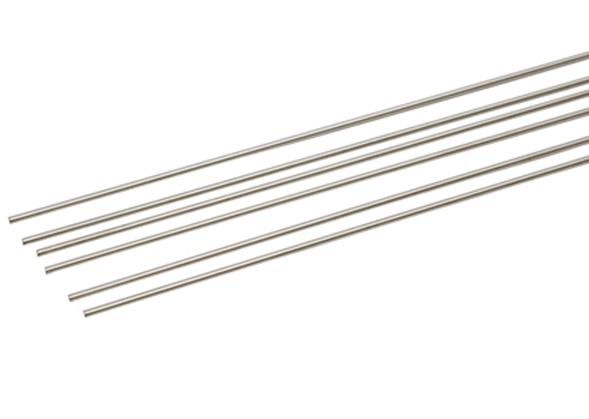
Springs and fasteners are among the most common components found in high-stress industrial applications. These parts are often subject to repeated loading and unloading cycles, which can lead to fatigue and failure in conventional materials. Elastic alloys are particularly well-suited for these applications because of their high yield strength and excellent resilience. By using elastic alloys in springs and fasteners, manufacturers can improve their performance in critical systems such as suspension systems, machine tools, and control mechanisms. The ability of elastic alloys to endure mechanical forces without permanent deformation reduces the risk of failure and extends the lifespan of these components. This translates into fewer replacements and lower maintenance costs over time.
High-pressure hydraulic systems are another area where elastic alloys make a significant impact. These systems, found in industries such as aerospace, automotive, and manufacturing, require components that can withstand extreme pressure and mechanical stresses. Elastic alloys are ideal for use in hydraulic systems because of their resistance to stress and fatigue. Components like pistons, valves, and seals made from elastic alloys can maintain their performance even under high-pressure conditions. Their excellent elasticity allows them to absorb mechanical shock and pressure fluctuations without deforming, ensuring the continued functionality and efficiency of hydraulic systems.
When comparing elastic alloys with other materials commonly used in high-stress applications, such as stainless steel or carbon steel, it becomes clear that elastic alloys offer distinct advantages. The table below summarizes the key differences between elastic alloys and these other materials, highlighting their performance in high-stress conditions.
Property | Elastic Alloys | Stainless Steel | Carbon Steel |
Elasticity | High | Moderate | Low |
Resistance to Fatigue | Excellent | Good | Moderate |
Tensile Strength | High | High | Moderate |
Application Suitability | Springs, fasteners, valves | Structural components, pipes | General industrial uses |
Performance Under Stress | Superior | Good | Limited |
As shown in the comparison, elastic alloys outperform both stainless steel and carbon steel in terms of elasticity and resistance to fatigue, making them the material of choice for components that endure repeated mechanical stress.
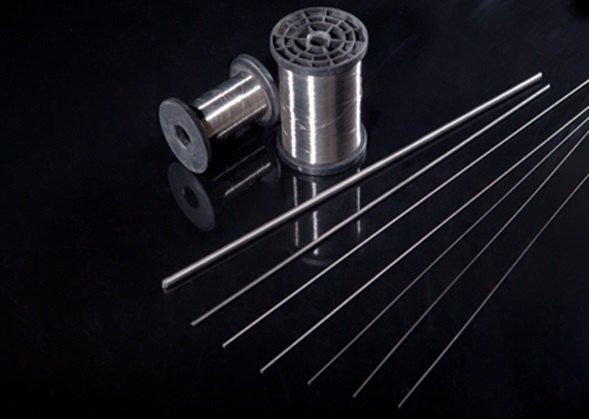
As industries continue to push the boundaries of performance, the role of elastic alloys in high-stress applications is expected to expand. The ongoing development of advanced elastic alloys will likely provide even greater resistance to fatigue, higher elasticity, and enhanced durability for components subjected to extreme conditions. With industries such as aerospace, automotive, and robotics increasingly relying on precision engineering and automation, the demand for materials capable of withstanding high stresses without failure is stronger than ever. Elastic alloys are well-positioned to meet these challenges, offering unmatched performance for components that must endure continuous loading cycles, extreme temperatures, and high mechanical forces. The future of elastic alloys lies in their ability to adapt to the ever-evolving requirements of modern technology, ensuring that industrial components remain durable, efficient, and reliable in the face of demanding conditions.
References