
Email:
sales@bsmri.com
fanxiaobo@bsmri.com


Corrosion resistant alloys are engineered metals designed to stand firm against oxidation and chemical reactions in harsh environments. Their superior performance and durability make them essential in industries where material integrity is non-negotiable.
Corrosion resistant alloys, especially those with high chromium content, develop a self-healing oxide film that protects against rust and chemical attack. This passive layer restores itself when damaged, ensuring long-term protection in environments ranging from acidic solutions to marine exposure. They excel at resisting pitting, crevice corrosion, and stress corrosion cracking—issues that can significantly impact operational safety and longevity.

Different corrosion resistant alloys are formulated for specific environmental challenges. Nickel-based variants are widely used in both oxidizing and non-oxidizing conditions, while specialized alloys maintain stability against strong acids such as hydrochloric and sulfuric acid. This makes them ideal for critical sectors like chemical processing, pharmaceuticals, and power generation.
Beyond their corrosion resistance, these alloys offer excellent fabrication capabilities, welding strength, and temperature resilience. From copper-nickel alloys in marine heat exchangers to aluminum-based materials for aerospace structures, corrosion resistant alloys deliver consistent performance in saltwater, aviation, and high-temperature industrial environments.
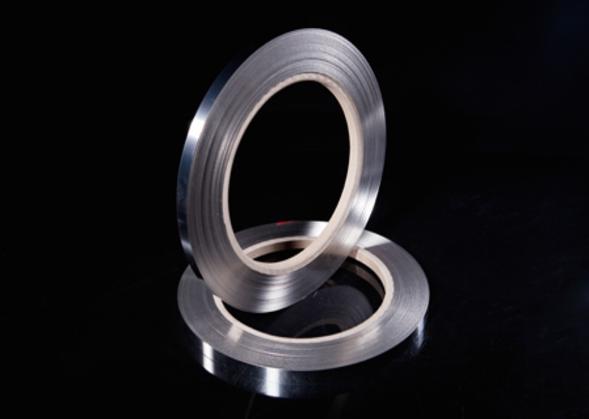
Whether facing industrial acids, saline environments, or high-stress operating conditions, corrosion resistant alloys play a vital role in ensuring reliability and safety:
| Environment / Application | Common Corrosion Resistant Alloys |
|---|---|
| Acidic Chemical/Pharmaceutical Systems | Nickel-based high-performance alloys |
| Marine & Seawater Systems | Copper-nickel alloys |
| Aircraft & Architectural Structures | Aluminum-based corrosion resistant alloys |
| High-Temperature Industrial Equipment | Nickel-based high-chrome alloys |
Corrosion resistant alloys empower modern engineering with unmatched durability—keeping systems safe, productive, and long-lasting in the most demanding conditions. Their ability to withstand chemical aggression, combined with structural strength, makes them an essential choice for high-performance applications.
nife47 expansion alloy