Thank You for Your Attention on Beiye!


Corrosion resistant alloys (CRAs) are engineered metal alloys designed to maintain reliable performance in aggressive environments involving seawater, acids, alkalis, industrial chemicals, oxidation, or elevated temperatures. Compared with conventional engineering metals, these alloys are selected where corrosion resistance, mechanical strength, thermal stability, and long service life are critical.
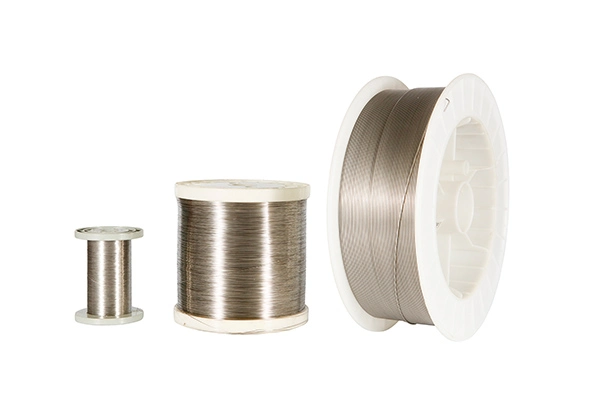
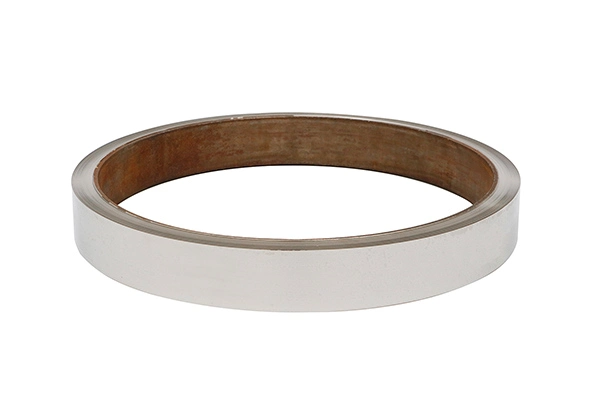
Beiye manufactures and supplies nickel-based corrosion resistant alloys for demanding industrial applications. Our alloy portfolio includes Ni-Cu and Ni-Cr alloy systems suitable for chemical processing, marine equipment, aerospace, power generation, nuclear energy, and high-temperature components.
Different service environments require different alloy chemistries and performance characteristics. Selecting the right CRA therefore requires evaluating not only general corrosion resistance, but also temperature, corrosion mechanism, mechanical load, fabrication method, and required service life.
Beiye | China Standard | America | Germany | France | Japan |
| Monel 400 | MCu-28-1.5-1.8 | N04400 | NiCu30Fe | --- | --- |
| N80A | --- | Nimonic 80A | --- | --- | --- |
There is no single corrosion resistant alloy that is best for every application. Material selection should begin with the operating environment and then consider mechanical, thermal, and manufacturing requirements.
First determine exactly what the component will contact.
Typical environments may include:
Seawater or saltwater
Chloride-containing solutions
Acids
Alkalis
Industrial chemicals
Steam
Oxidizing atmospheres
Process gases
The concentration, contamination level, pH, flow velocity, and exposure time can all influence corrosion behavior.
A material that performs well in seawater may not automatically be suitable for a strong acid environment.
Corrosion resistance can change significantly as temperature increases.
For high-temperature applications, engineers should consider both chemical corrosion and oxidation together with mechanical properties such as creep resistance and strength retention.
Nickel-chromium alloys such as Nimonic 80A may be considered when corrosion or oxidation resistance must be combined with elevated-temperature strength.
Material selection should consider more than general surface corrosion.
Depending on the service environment, potential risks may include:
General corrosion
Pitting corrosion
Crevice corrosion
Stress corrosion cracking
Galvanic corrosion
High-temperature oxidation
Understanding the expected corrosion mechanism can help narrow the choice of alloy more effectively than simply selecting a material described as "corrosion resistant."
A corrosion resistant material must also withstand the mechanical conditions of the application.
Important factors may include:
Tensile strength
Yield strength
Fatigue resistance
Pressure
Impact load
Thermal cycling
High-temperature creep
For critical equipment, corrosion performance and mechanical performance should therefore be evaluated together.
The selected CRA should be compatible with the intended manufacturing process.
Consider whether the component requires:
Forging
Rolling
Drawing
Forming
Machining
Welding
Heat treatment
Some alloy grades are easier to fabricate than others, and manufacturing conditions may influence the final material properties.
For additional selection considerations, see Beiye's corrosion resistant alloy selection guide.
High resistance alloys, such as stainless steels, nickel-based alloys, and titanium alloys, are specifically designed to withstand harsh environments, including exposure to corrosive substances like acids, alkalis, salts, and moisture. Their ability to resist corrosion extends the lifespan of components, reduces maintenance costs, and ensures operational reliability in industries such as oil and gas, chemical processing, marine, and aerospace. For example, alloys like Inconel or Hastelloy thrive in extreme conditions, such as high-salinity seawater or acidic solutions, where standard materials would degrade rapidly.
Beyond corrosion resistance, high resistance alloys maintain excellent mechanical strength, toughness, and durability. These alloys can endure high stress, pressure, and wear without compromising structural integrity. For instance, duplex stainless steels combine high tensile strength with corrosion resistance, making them ideal for pipelines and pressure vessels. This balance of strength and resilience ensures that components made from high resistance alloys perform reliably under mechanical loads, even in aggressive environments.
Many corrosion resistant alloys exhibit exceptional performance at elevated temperatures, making them suitable for applications involving extreme heat, such as in gas turbines, power generation, and high-temperature chemical reactors. Alloys like nickel-chromium or cobalt-based superalloys retain their strength and resist oxidation or scaling at temperatures where conventional metals would fail. This heat resistance is critical for maintaining performance and safety in high-temperature environments.
Corrosion resistant alloysare highly workable, allowing them to be fabricated into complex shapes through processes like welding, forging, casting, and machining. Their versatility enables manufacturers to produce a wide range of components, from intricate fittings to large structural parts. Additionally, advancements in alloy design and manufacturing techniques have improved the ease of processing corrosion resistant alloys, reducing production costs while maintaining their superior properties.
While rust resistant alloys may have a higher initial cost compared to standard materials, their longevity and low maintenance requirements result in significant cost savings over time. By minimizing corrosion-related failures, downtime, and replacements, corrosion resistant alloys enhance operational efficiency and reduce lifecycle costs, making them a cost-effective choice for critical applications.
The combination of corrosion resistance, mechanical strength, and heat tolerance makes rust resistant alloys suitable for diverse industries. In oil and gas, they are used in pipelines and offshore platforms exposed to corrosive seawater. In aerospace, they withstand high temperatures and stresses in jet engines. In medical applications, alloys like titanium are prized for biocompatibility and corrosion resistance in implants. This adaptability ensures corrosion resistant alloys meet the specific needs of various sectors.
Different industries expose metallic components to very different combinations of corrosion, temperature, pressure, and mechanical stress.
Marine environments introduce continuous exposure to seawater, chlorides, moisture, and changing temperatures.
Material selection may focus on:
Seawater corrosion resistance
Resistance to flowing water
Mechanical durability
Long-term reliability
Nickel-copper alloys such as Monel 400 are commonly considered for marine and seawater-handling components.
Chemical processing equipment may encounter acids, alkalis, solvents, process gases, or mixed chemical environments. Because corrosion behavior depends heavily on chemical concentration and temperature, the exact process medium should be defined before selecting an alloy. Typical components include heat exchangers, valves, piping, pumps, vessels, and processing equipment.
Aerospace components may require a combination of corrosion resistance, strength, oxidation resistance, thermal stability, and controlled material quality. The appropriate corrosion resistant alloy for aerospace applications depends on component location, temperature, mechanical stress, weight requirements, and exposure conditions.
Power and nuclear applications can expose materials to high temperatures, pressure, steam, corrosive media, and long service cycles. Material selection may therefore require careful control of chemical composition, mechanical properties, heat treatment, and inspection requirements.
Components used in turbines, furnaces, exhaust systems, industrial heating equipment, and other hot environments may require resistance to both oxidation and mechanical degradation.
Nickel-based alloys are frequently considered where conventional materials cannot provide the required combination of thermal stability and durability.
Beiye supports industrial customers with precision alloy production and processing capabilities for demanding material applications.
Our manufacturing capabilities include processes such as:
Air induction melting
Vacuum induction melting
Alloy casting
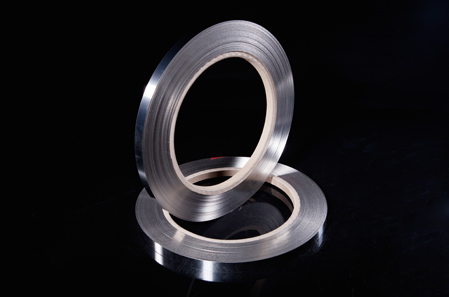
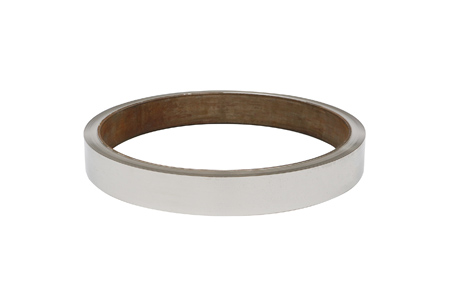
Sheet, strip, and ribbon rolling
Rod and wire drawing
Precision alloy processing
Material testing and quality control
These capabilities allow Beiye to support different corrosion resistant alloy forms and specifications according to project requirements.
You can learn more about our precision alloy manufacturing capabilities.
When requesting a quotation, providing detailed technical information helps our team evaluate your project more efficiently. Useful information includes:
Required alloy grade
Applicable standard
Product form
Dimensions and tolerances
Required mechanical properties
Operating temperature
Corrosive environment
Heat-treatment condition
Quantity
Testing or certification requirements
Contact Beiye to discuss corrosion resistant alloy requirements for your application.
Corrosion resistant alloys, commonly abbreviated as CRA, are engineered metallic materials designed to resist degradation in aggressive environments such as seawater, acids, alkalis, industrial chemicals, or elevated-temperature oxidizing conditions. Nickel-based alloys are widely used where corrosion resistance must be combined with strength and thermal stability.
Common alloy systems include nickel-copper, nickel-chromium, nickel-iron-chromium, and nickel-chromium-molybdenum alloys. Different alloy systems provide different combinations of corrosion resistance, oxidation resistance, strength, and temperature capability.
The correct alloy depends on temperature, flow conditions, chloride concentration, component design, and required mechanical properties. Nickel-copper alloys such as Monel 400 are commonly considered for marine equipment, seawater systems, heat exchangers, and desalination applications.
Consider both corrosion or oxidation resistance and mechanical performance at the intended operating temperature. Required strength, creep resistance, thermal cycling, fabrication method, and service life should also be evaluated. Nickel-chromium alloys such as Nimonic 80A may be suitable for selected high-temperature applications.
Stainless steels provide good corrosion resistance for many general-purpose applications, while specialized corrosion resistant alloys are often selected for more aggressive chemical, marine, or high-temperature environments. The correct choice depends on corrosion conditions, temperature, mechanical requirements, fabrication, and total lifecycle cost.
Beiye supplies nickel-based corrosion resistant alloy grades including Monel 400 and Nimonic 80A, with material selection depending on the required corrosion resistance, operating temperature, mechanical performance, product specification, and application.