


Email:
sales@bsmri.com
fanxiaobo@bsmri.com


In the modern energy landscape, the demand for highly efficient and reliable components is greater than ever. Among the key materials that play a crucial role in improving energy systems' performance are soft magnetic alloys. These materials are indispensable in various energy applications, particularly in devices such as transformers, electric motors, inductors, and energy storage systems. Their unique properties, such as high magnetic permeability and low coercivity, make them ideal for use in high-efficiency electrical devices. The application of soft magnetic alloys in the energy sector is helping reduce energy losses, enhance system stability, and improve overall efficiency.
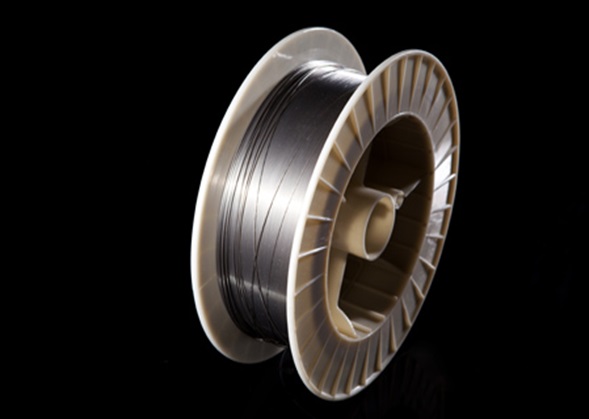
One of the most significant applications of soft magnetic alloys is in power transformers. Transformers are essential in distributing electrical energy across power grids, and the efficiency of these devices is heavily dependent on the materials used in their cores. Soft magnetic alloys, with their excellent magnetic properties, help to minimize energy losses that occur due to eddy currents and hysteresis during the conversion of electrical energy. These alloys allow for faster magnetic flux changes and a more efficient transfer of energy, which is critical for ensuring that power transformers operate at optimal levels. The use of soft magnetic alloys in transformer cores significantly reduces energy waste, improves power quality, and helps maintain a stable flow of electricity.
The performance of electric motors and generators, which are central to energy production and usage, can be greatly enhanced by incorporating soft magnetic alloys. In these devices, the soft magnetic material is used in the stator and rotor cores, where it supports the conversion of electrical energy into mechanical energy, and vice versa. These alloys have high saturation magnetization, allowing for more efficient energy transfer and lower losses in the motor core. This leads to a higher power density and a reduction in energy consumption. Soft magnetic alloys also contribute to minimizing vibrations and reducing heat generation, thus increasing the longevity and performance of motors and generators. The application of these alloys in wind turbines, electric vehicles (EVs), and industrial motors ensures better energy conversion and contributes to the advancement of clean energy technologies.
Energy storage systems, which are essential in renewable energy applications like solar and wind power, rely heavily on inductive components such as coils and transformers. Soft magnetic alloys are key materials used in these inductors to improve their efficiency and capacity. These alloys offer low core losses and high permeability, ensuring that inductors operate with minimal energy loss while maximizing energy storage capabilities. By reducing core loss during the charging and discharging cycles, soft magnetic alloys enhance the performance of energy storage systems and increase the overall efficiency of energy management, which is vital for optimizing the use of renewable energy sources.
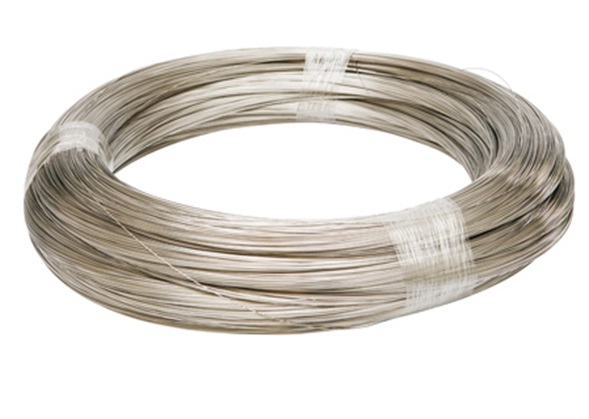
When comparing soft magnetic alloys with other magnetic materials, such as ferrites or hard magnetic alloys, it is clear that soft magnetic alloys offer distinct advantages in terms of efficiency and performance in energy applications. The table below provides a comparison between soft magnetic alloys and other commonly used materials in the energy sector.
Feature | Soft Magnetic Alloys | Ferrites | Hard Magnetic Alloys |
Magnetic Permeability | High | Moderate | Low |
Hysteresis Loss | Low | High | High |
Saturation Magnetization | High | Low | High |
Application | Transformers, Motors, Inductors | RF components, Sensors | Permanent Magnets |
Energy Efficiency | High | Medium | Low |
As seen in the comparison, soft magnetic alloys outperform ferrites and hard magnetic alloys in key energy applications. Their low hysteresis loss and high magnetic permeability make them ideal for reducing energy losses in devices such as transformers, motors, and inductors.
Looking ahead, the role of soft magnetic alloys in energy applications is expected to grow as industries continue to seek ways to improve efficiency and reduce energy consumption. With advancements in material science, soft magnetic alloys are expected to become even more efficient, with new alloy compositions and manufacturing techniques that reduce core losses and enhance performance. The increasing demand for renewable energy sources, coupled with the growing adoption of electric vehicles, will drive innovation in soft magnetic alloys to meet the high-performance standards required in these applications. Whether in energy production, storage, or distribution, soft magnetic alloys will continue to be a fundamental material for improving energy efficiency and supporting the global transition to sustainable energy systems.
References
NEXT