

Email:
sales@bsmri.com
fanxiaobo@bsmri.com


Superalloy metal materials have emerged as indispensable components in high-performance applications, particularly in industries like aerospace, automotive, and energy. These materials, known for their superior mechanical properties at elevated temperatures, offer a unique combination of strength, durability, and resistance to environmental stress. As industries evolve and demand more reliable and high-performing materials, superalloy metal materials play a pivotal role in advancing production processes, enabling engineers and manufacturers to meet the increasingly stringent requirements for complex applications.
Superalloy metal materials are primarily made from metals like nickel, cobalt, and iron, which are known for their outstanding resistance to thermal and mechanical degradation. What sets superalloy metal materials apart is their ability to retain excellent strength and stability in environments where other metals would fail. For instance, at high temperatures where conventional alloys may experience oxidation or corrosion, superalloys maintain their integrity, ensuring that components function effectively in harsh conditions. This ability to resist temperature-induced stresses and preserve mechanical properties over long periods is what makes superalloy metal materials critical in industries where safety, performance, and longevity are key considerations.
In addition to their exceptional high-temperature resistance, superalloys are also highly resistant to corrosion, oxidation, and wear, which makes them ideal for use in extremely corrosive environments, such as in chemical processing, power plants, and marine applications. Their stability under challenging environmental conditions further enhances their value across diverse sectors, making them essential in the design and manufacturing of critical components.

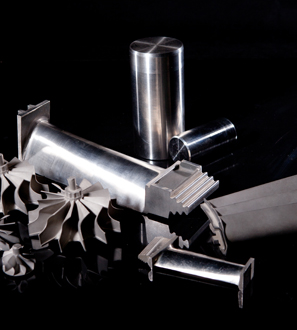
One of the most significant applications of superalloy metal materials is in the aerospace industry, where components are subjected to extreme conditions. Superalloys are widely used in turbine engines, turbine blades, and exhaust systems, which require high-temperature resistance without compromising structural integrity. These alloys enable aircraft engines to perform at higher temperatures, which directly improves fuel efficiency, engine performance, and overall aircraft reliability. In the automotive industry, superalloy metal materials are increasingly used for high-performance engine components, including turbochargers and exhaust systems. The durability and resistance of these alloys help automotive manufacturers produce components that can withstand high stresses, reduce wear, and improve the efficiency of combustion engines.
In both sectors, the use of superalloys not only ensures the safety and reliability of critical components but also contributes to the overall performance improvements of aerospace and automotive systems. By enabling higher operational temperatures and pressures, superalloys help push the boundaries of what is possible in both industries.
Energy production, particularly in power plants and gas turbines, is another area where superalloy metal materials are crucial. These materials are used extensively in the manufacturing of turbine blades, combustion chambers, and other components exposed to high temperatures and corrosive gases. Superalloy metal materials provide the necessary strength and durability to operate efficiently in these harsh conditions, ensuring that power generation systems can run smoothly and reliably.
In gas turbines, which are integral to both traditional and renewable energy production, superalloy metal materials contribute to higher efficiency by allowing turbines to operate at elevated temperatures, leading to improved fuel combustion and energy output. The use of superalloys in these applications helps increase the lifespan of critical components, reducing the frequency of replacements and maintenance, and thereby enhancing the overall reliability and efficiency of energy production systems.
Chemical processing is an industry that demands materials capable of withstanding extreme corrosive environments. The use of superalloy metal materials in reactors, heat exchangers, and other critical components ensures that equipment operates effectively without succumbing to the harsh chemicals and high temperatures typically encountered in these environments. The inherent corrosion resistance of superalloys prevents the degradation of equipment, which would otherwise lead to frequent repairs, downtime, and loss of efficiency. As chemical industries continue to expand globally, the demand for materials that offer high strength, stability, and longevity continues to grow, making superalloy metal materials an essential solution for these industries.
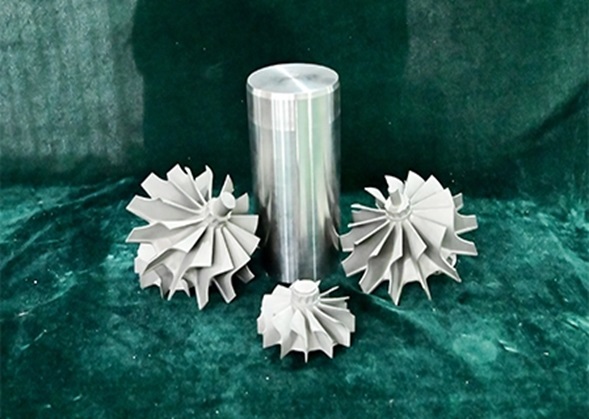
In advanced manufacturing, particularly in high-precision and high-performance sectors, superalloy metal materials provide the necessary foundation for creating components that must withstand high-stress conditions. From medical devices to military-grade equipment, these materials are essential in producing products that require exceptional reliability and durability. As manufacturing techniques evolve, superalloys continue to play a crucial role in the development of new technologies and production processes that demand higher material performance.
The versatility of superalloy metal materials makes them indispensable in a wide range of industries. Their ability to maintain structural integrity under extreme conditions directly contributes to the development of advanced production technologies that meet the highest standards for safety, performance, and efficiency.
References