
Email:
sales@bsmri.com
fanxiaobo@bsmri.com

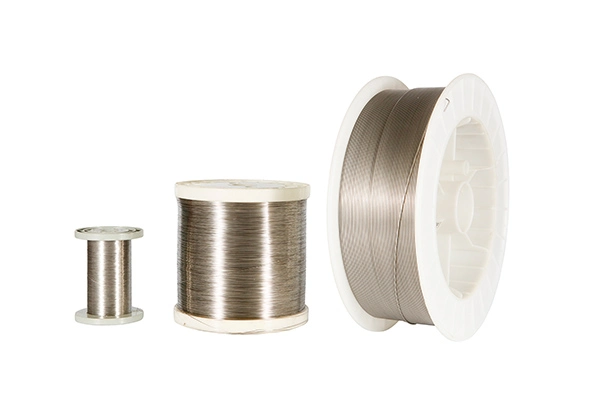 A Simplified Method of Selecting Soft Magnetic Alloys
Selecting soft magnetic alloys involves balancing magnetic performance, corrosion resistance, and cost, with careful consideration of application-specific requirements and expert consultation recommended.
A Simplified Method of Selecting Soft Magnetic Alloys
Selecting soft magnetic alloys involves balancing magnetic performance, corrosion resistance, and cost, with careful consideration of application-specific requirements and expert consultation recommended.
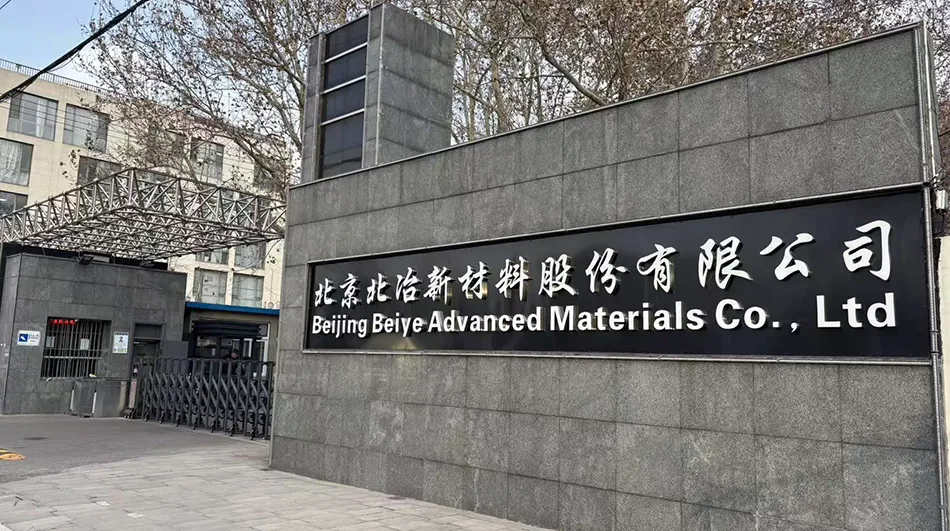 Company Profile
Founded in 1960 named Beijing Metallurgical Research Institute, the largest metallic functional materials R&D manufacturing base in China, renamed Beijing Beiye Functional Materials Corporation (f...
Company Profile
Founded in 1960 named Beijing Metallurgical Research Institute, the largest metallic functional materials R&D manufacturing base in China, renamed Beijing Beiye Functional Materials Corporation (f...
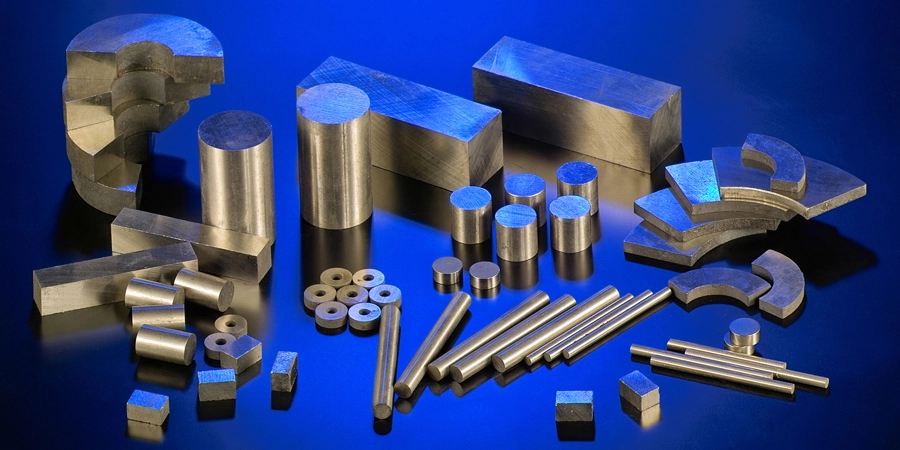 Superalloys
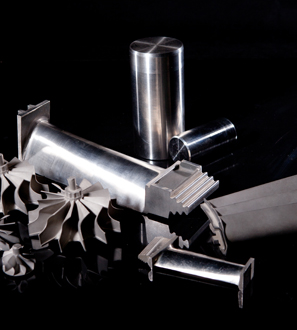
Superalloy or High-temperature-alloy is able to be used above 600℃, under the influence of a certain complex stress and in a surface-stable work condition of iron, nickel or cobalt-based austenitic metals. As the superalloy possess excellent overall performance and has a broad range of industrial applications, it is mainly used for various high-temperature components such as turbine blades, turbine disks, guide vanes, and combustion chamber and so on.
Superalloys
Superalloy or High-temperature-alloy is able to be used above 600℃, under the influence of a certain complex stress and in a surface-stable work condition of iron, nickel or cobalt-based austenitic metals. As the superalloy possess excellent overall performance and has a broad range of industrial applications, it is mainly used for various high-temperature components such as turbine blades, turbine disks, guide vanes, and combustion chamber and so on.
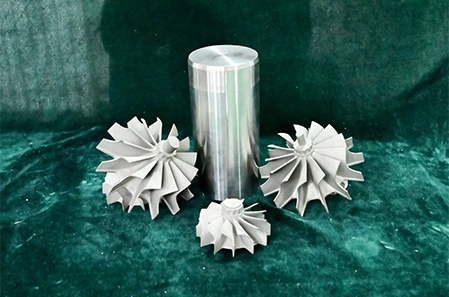 Cast Superalloy
A variety of grades of high-temperature master alloys developed and produced have realized the sum of O, N, S and the sum of 45 trace element contents, which fully meets or even exceeds the international advanced level.
Cast Superalloy
A variety of grades of high-temperature master alloys developed and produced have realized the sum of O, N, S and the sum of 45 trace element contents, which fully meets or even exceeds the international advanced level.
 Controlled-Expansion Alloy
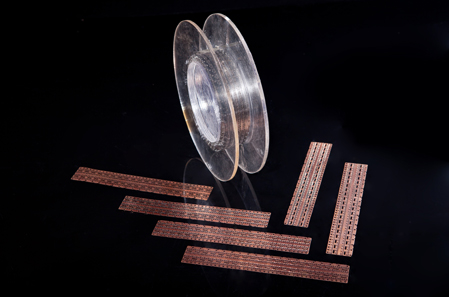
Expansion alloys are precision alloys with anomalous thermal expansion characteristics or controlled thermal expansion characteristics, also known as thermal expansion alloys, and are an important class of metal functional materials. General metals or alloys are subjected to thermal expansion when the expansion amount is a linear increase, but by Fe, Ni, Co and other elements of the transition group of alloys, when subjected to heat in a certain temperature range does not conform to the normal law of thermal expansion, the thermal expansion curve at a certain temperature (Curie temperature) appeared to be obvious bending point in the curvature of the coefficient of thermal expansion below the bending point than the bending point of the coefficient of thermal expansion of the normal above the point of the lower, a phenomenon known as the anomalous thermal expansion effect or “Inva effect”. This phenomenon is known as the anomalous thermal expansion effect or “Inva effect”. Expansion alloys are widely used in the telecommunications, electronics and semiconductor industries because of their special expansion characteristics.
Controlled-Expansion Alloy
Expansion alloys are precision alloys with anomalous thermal expansion characteristics or controlled thermal expansion characteristics, also known as thermal expansion alloys, and are an important class of metal functional materials. General metals or alloys are subjected to thermal expansion when the expansion amount is a linear increase, but by Fe, Ni, Co and other elements of the transition group of alloys, when subjected to heat in a certain temperature range does not conform to the normal law of thermal expansion, the thermal expansion curve at a certain temperature (Curie temperature) appeared to be obvious bending point in the curvature of the coefficient of thermal expansion below the bending point than the bending point of the coefficient of thermal expansion of the normal above the point of the lower, a phenomenon known as the anomalous thermal expansion effect or “Inva effect”. This phenomenon is known as the anomalous thermal expansion effect or “Inva effect”. Expansion alloys are widely used in the telecommunications, electronics and semiconductor industries because of their special expansion characteristics.
 Finding the Right Corrosion-resistant Alloys
Explore corrosion-resistant metals like aluminum, titanium, stainless steel, and Inconel—ideal for CNC machining and 3D printing in harsh environments and demanding applications.
Finding the Right Corrosion-resistant Alloys
Explore corrosion-resistant metals like aluminum, titanium, stainless steel, and Inconel—ideal for CNC machining and 3D printing in harsh environments and demanding applications.
 Corrosion Resistant Alloys
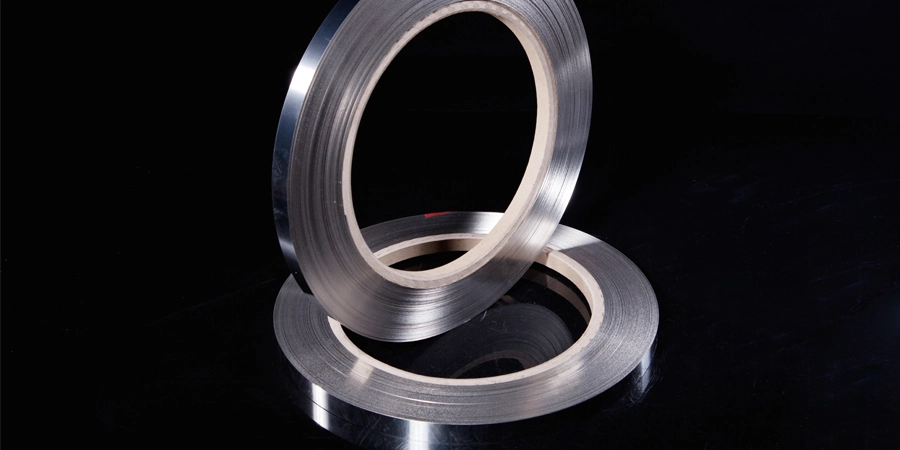
Nickel-base corrosion resistant alloy have unique corrosion resistance even high temperature corrosion resistance in many industrial environments. It has high strength, good plasticity, can smelting, forging, hot and cold deformation, processing and forming and welding performance. Nickel-base corrosion resistant alloy mainly includes Ni-Cu, Ni-Cr, Ni-Fe -Cr system and Hastelloy series. Nickel-based corrosion resistant alloy has been widely used in harsh environment such as petrochemical industry, nuclear industry and energy, etc.
Corrosion Resistant Alloys
Nickel-base corrosion resistant alloy have unique corrosion resistance even high temperature corrosion resistance in many industrial environments. It has high strength, good plasticity, can smelting, forging, hot and cold deformation, processing and forming and welding performance. Nickel-base corrosion resistant alloy mainly includes Ni-Cu, Ni-Cr, Ni-Fe -Cr system and Hastelloy series. Nickel-based corrosion resistant alloy has been widely used in harsh environment such as petrochemical industry, nuclear industry and energy, etc.
 Wrought Superalloy
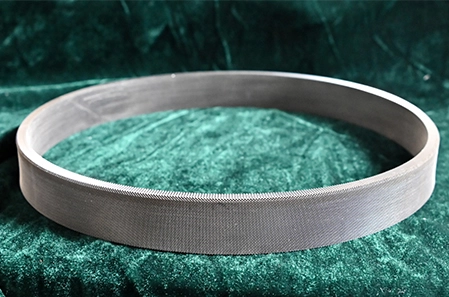
Deformation of high-temperature alloys are mainly used in the manufacture of aero-engine and gas turbine combustion chambers, gas ducts, additive cylinders, seals, bellows and other components.
Wrought Superalloy
Deformation of high-temperature alloys are mainly used in the manufacture of aero-engine and gas turbine combustion chambers, gas ducts, additive cylinders, seals, bellows and other components.
 Low Expansion Alloy
Expansion alloys are precision alloys with anomalous thermal expansion characteristics or controlled thermal expansion characteristics, also known as thermal expansion alloys, and are an important class of metal functional materials. General metals or alloys are subjected to thermal expansion when the expansion amount is a linear increase, but by Fe, Ni, Co and other elements of the transition group of alloys, when subjected to heat in a certain temperature range does not conform to the normal law of thermal expansion, the thermal expansion curve at a certain temperature (Curie temperature) appeared to be obvious bending point in the curvature of the coefficient of thermal expansion below the bending point than the bending point of the coefficient of thermal expansion of the normal above the point of the lower, a phenomenon known as the anomalous thermal expansion effect or “Inva effect”. This phenomenon is known as the anomalous thermal expansion effect or “Inva effect”. Expansion alloys are widely used in the telecommunications, electronics and semiconductor industries because of their special expansion characteristics.
Low Expansion Alloy
Expansion alloys are precision alloys with anomalous thermal expansion characteristics or controlled thermal expansion characteristics, also known as thermal expansion alloys, and are an important class of metal functional materials. General metals or alloys are subjected to thermal expansion when the expansion amount is a linear increase, but by Fe, Ni, Co and other elements of the transition group of alloys, when subjected to heat in a certain temperature range does not conform to the normal law of thermal expansion, the thermal expansion curve at a certain temperature (Curie temperature) appeared to be obvious bending point in the curvature of the coefficient of thermal expansion below the bending point than the bending point of the coefficient of thermal expansion of the normal above the point of the lower, a phenomenon known as the anomalous thermal expansion effect or “Inva effect”. This phenomenon is known as the anomalous thermal expansion effect or “Inva effect”. Expansion alloys are widely used in the telecommunications, electronics and semiconductor industries because of their special expansion characteristics.
 Superalloys Demystified: Understanding Their Unique Properties
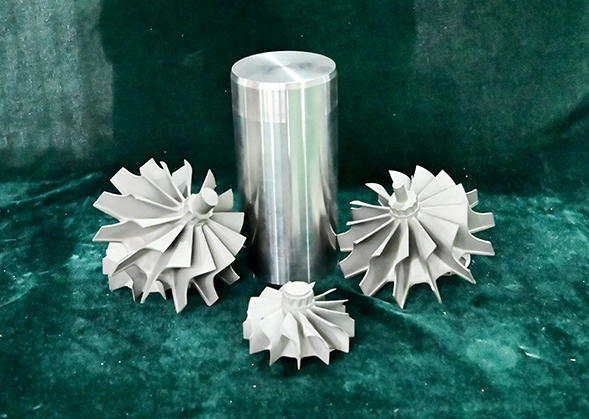
Superalloys offer exceptional strength, corrosion resistance, and thermal stability, making them indispensable in aerospace, energy, automotive, and industrial applications requiring high-performance materials.
Superalloys Demystified: Understanding Their Unique Properties
Superalloys offer exceptional strength, corrosion resistance, and thermal stability, making them indispensable in aerospace, energy, automotive, and industrial applications requiring high-performance materials.