

Email:
sales@bsmri.com
fanxiaobo@bsmri.com

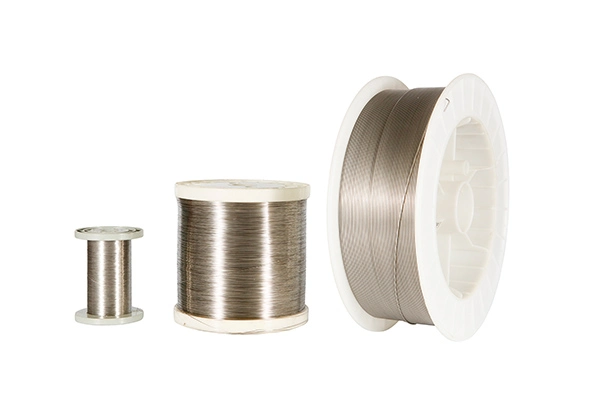
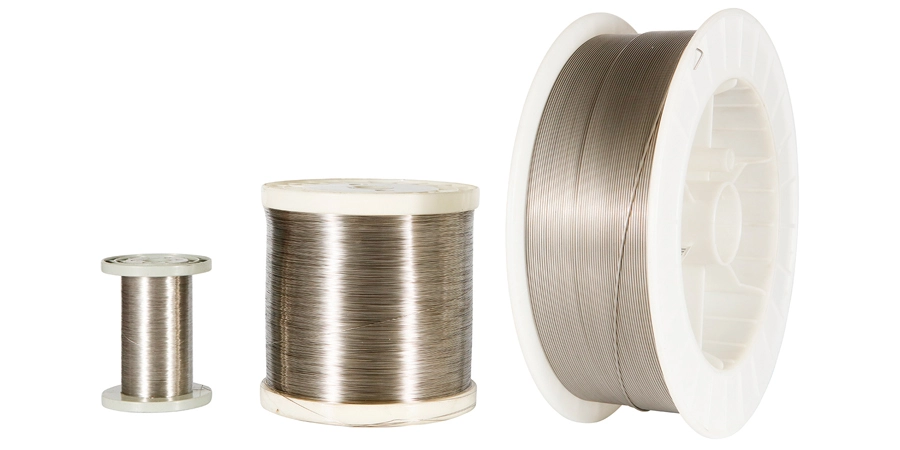 Soft Magnetic Alloys
Soft magnetic alloys, which have high permeability and low coercive force, are mainly used in the area of information processing and energy transformation, such as pole shoe, magnetic conductor, magnetic shielding, rotor & stator of electric engine, transformer & relay core and various magnetic components in communication, sensor, recording.
Soft Magnetic Alloys
Soft magnetic alloys, which have high permeability and low coercive force, are mainly used in the area of information processing and energy transformation, such as pole shoe, magnetic conductor, magnetic shielding, rotor & stator of electric engine, transformer & relay core and various magnetic components in communication, sensor, recording.
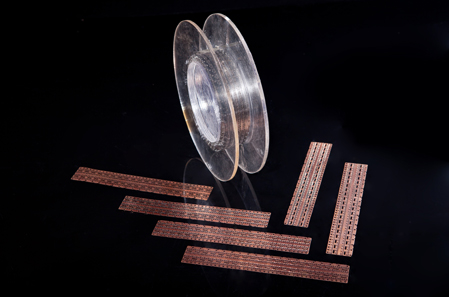 Non-Magnetic Controlled Expansion Alloy
Expansion alloys are precision alloys with anomalous thermal expansion characteristics or controlled thermal expansion characteristics, also known as thermal expansion alloys, and are an important class of metal functional materials. General metals or alloys are subjected to thermal expansion when the expansion amount is a linear increase, but by Fe, Ni, Co and other elements of the transition group of alloys, when subjected to heat in a certain temperature range does not conform to the normal law of thermal expansion, the thermal expansion curve at a certain temperature (Curie temperature) appeared to be obvious bending point in the curvature of the coefficient of thermal expansion below the bending point than the bending point of the coefficient of thermal expansion of the normal above the point of the lower, a phenomenon known as the anomalous thermal expansion effect or “Inva effect”. This phenomenon is known as the anomalous thermal expansion effect or “Inva effect”. Expansion alloys are widely used in the telecommunications, electronics and semiconductor industries because of their special expansion characteristics.
Non-Magnetic Controlled Expansion Alloy
Expansion alloys are precision alloys with anomalous thermal expansion characteristics or controlled thermal expansion characteristics, also known as thermal expansion alloys, and are an important class of metal functional materials. General metals or alloys are subjected to thermal expansion when the expansion amount is a linear increase, but by Fe, Ni, Co and other elements of the transition group of alloys, when subjected to heat in a certain temperature range does not conform to the normal law of thermal expansion, the thermal expansion curve at a certain temperature (Curie temperature) appeared to be obvious bending point in the curvature of the coefficient of thermal expansion below the bending point than the bending point of the coefficient of thermal expansion of the normal above the point of the lower, a phenomenon known as the anomalous thermal expansion effect or “Inva effect”. This phenomenon is known as the anomalous thermal expansion effect or “Inva effect”. Expansion alloys are widely used in the telecommunications, electronics and semiconductor industries because of their special expansion characteristics.
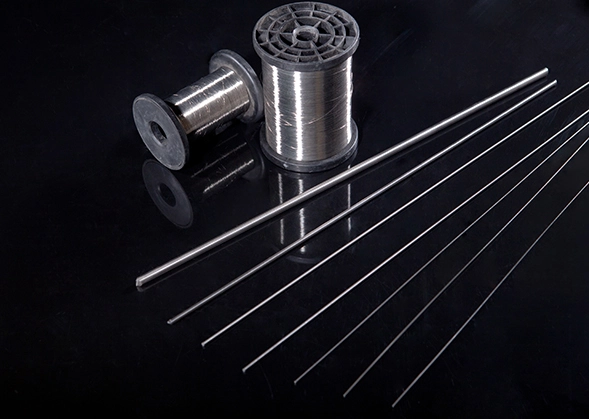 How to Utilize Super Elastic Alloy for Improved Performance
Super elastic alloys, including shape memory metals like titanium and nitinol, offer unmatched flexibility, strength, and biocompatibility, revolutionizing aerospace, medical, automotive, and industrial applications.
How to Utilize Super Elastic Alloy for Improved Performance
Super elastic alloys, including shape memory metals like titanium and nitinol, offer unmatched flexibility, strength, and biocompatibility, revolutionizing aerospace, medical, automotive, and industrial applications.
 Capacities
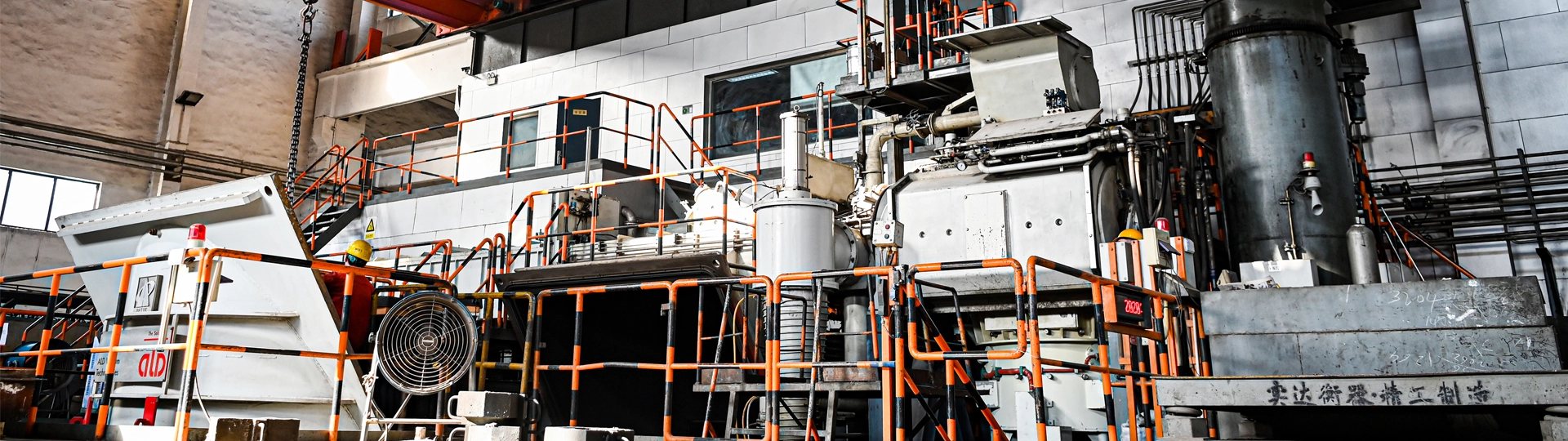
Beiye Company has complete key production equipment for smelting, hot processing, compounding, cold processing, heat treatment, etc. of special functional metal materials and high-end structural mater...
Capacities
Beiye Company has complete key production equipment for smelting, hot processing, compounding, cold processing, heat treatment, etc. of special functional metal materials and high-end structural mater...
 Expansion Alloys
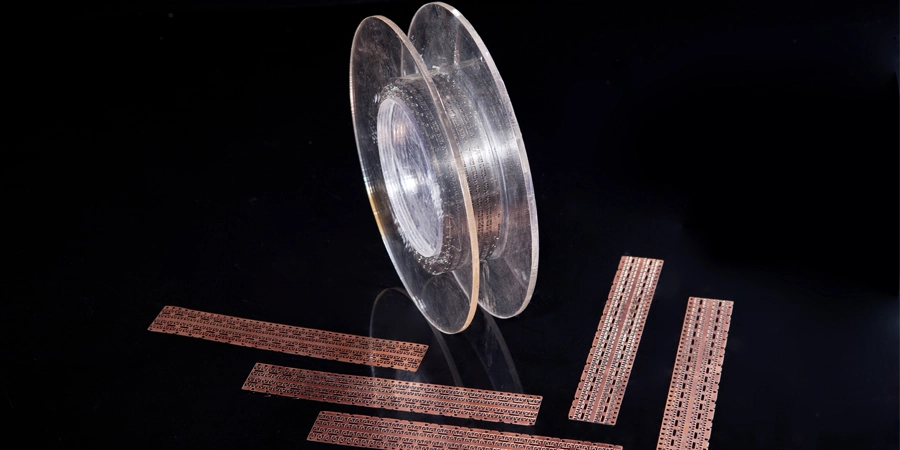
Expansion alloy also known as thermal expansion alloy, widely used in a variety of fields, such as electronics, precision measuring tools, precision instrument and cryogenic engineering. Controlled expansion alloys contract upon heating rather than expanding as most alloys do in negative thermal expansion process, so they have a range of potential applications. Expansion alloys include controlled-expansion alloys, low-expansion alloys and non-magnetic controlled expansion alloys.
Expansion Alloys
Expansion alloy also known as thermal expansion alloy, widely used in a variety of fields, such as electronics, precision measuring tools, precision instrument and cryogenic engineering. Controlled expansion alloys contract upon heating rather than expanding as most alloys do in negative thermal expansion process, so they have a range of potential applications. Expansion alloys include controlled-expansion alloys, low-expansion alloys and non-magnetic controlled expansion alloys.
 Five Tips for Specifying Metal Composite Material
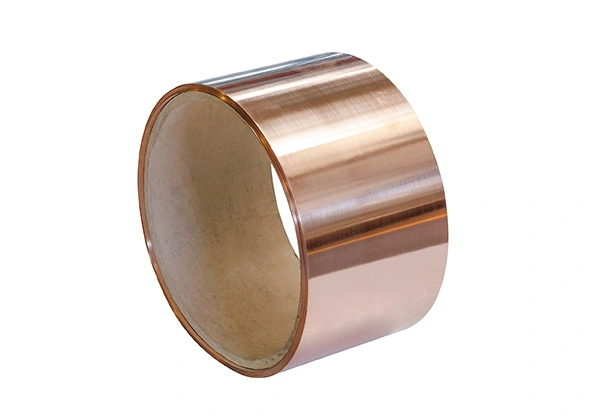
This guide outlines key tips for specifying metal composite materials, emphasizing clarity in paint, product, and code requirements to ensure performance and design integrity.
Five Tips for Specifying Metal Composite Material
This guide outlines key tips for specifying metal composite materials, emphasizing clarity in paint, product, and code requirements to ensure performance and design integrity.
 Markets
The company specializes in the design, research and development, trial production, production and service of high-end metal functional materials and advanced metal structural materials and products su...
Markets
The company specializes in the design, research and development, trial production, production and service of high-end metal functional materials and advanced metal structural materials and products su...
 Elastic Alloys
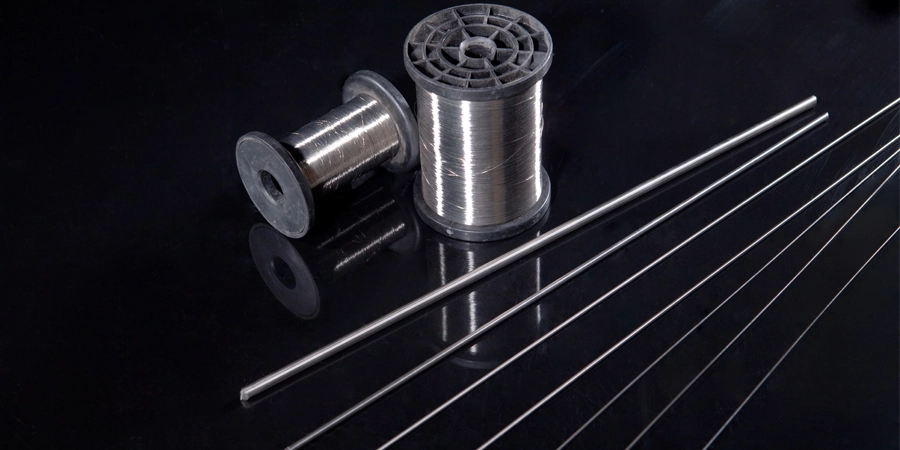
Elastic alloy is a class of precision alloys for manufacturing elastic component such as elastic sensitive elements of precision instruments, energy-storage elements and frequency elements. Elastic alloys are also provided with the characteristics of nonmagnetic, high micro plastic deformation strength, high hardness, low electrical resistivity, low elastic module temperature coefficient and low internal friction. Elastic alloys include constant elastic alloys and high elastic alloys.
Elastic Alloys
Elastic alloy is a class of precision alloys for manufacturing elastic component such as elastic sensitive elements of precision instruments, energy-storage elements and frequency elements. Elastic alloys are also provided with the characteristics of nonmagnetic, high micro plastic deformation strength, high hardness, low electrical resistivity, low elastic module temperature coefficient and low internal friction. Elastic alloys include constant elastic alloys and high elastic alloys.
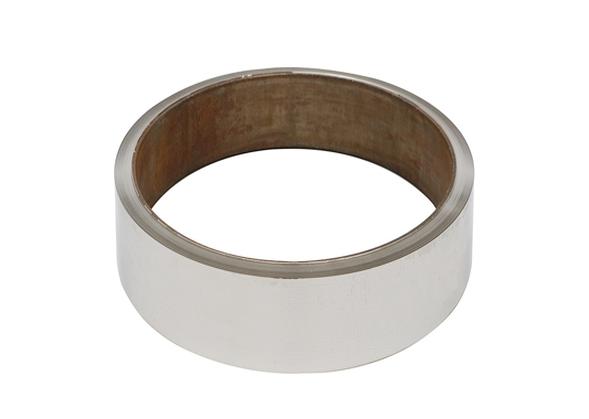 Corrosion Resistant Alloys: Your Shield Against Environmental Degradation
Corrosion resistant alloys are engineered metals designed to stand firm against oxidation and chemical reactions in harsh environments. Their superior performance and durability make them essential in...
Corrosion Resistant Alloys: Your Shield Against Environmental Degradation
Corrosion resistant alloys are engineered metals designed to stand firm against oxidation and chemical reactions in harsh environments. Their superior performance and durability make them essential in...
 Essential Precautions for Using Expansion Alloys
Expansion alloys are engineered materials designed to exhibit specific and predictable changes in volume in response to temperature variations. While they provide critical advantages in precision and ...
Essential Precautions for Using Expansion Alloys
Expansion alloys are engineered materials designed to exhibit specific and predictable changes in volume in response to temperature variations. While they provide critical advantages in precision and ...
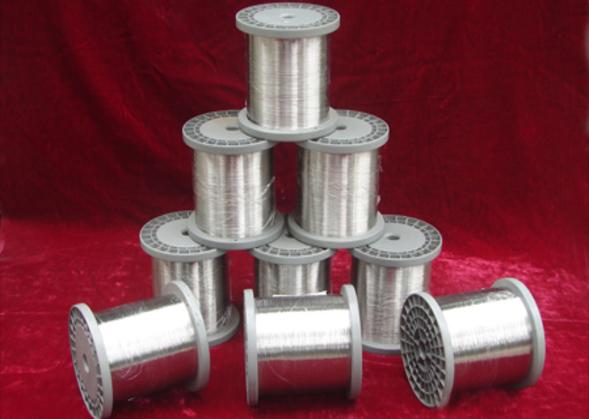 Unleashing the Power of Soft Magnetic Materials: Efficiency, Performance, and Innovation
Soft magnetic materials play an indispensable role in modern electrical and electronic systems—integral to components such as transformers, inductors, and motor cores. Their unique magnetic propertie...
Unleashing the Power of Soft Magnetic Materials: Efficiency, Performance, and Innovation
Soft magnetic materials play an indispensable role in modern electrical and electronic systems—integral to components such as transformers, inductors, and motor cores. Their unique magnetic propertie...
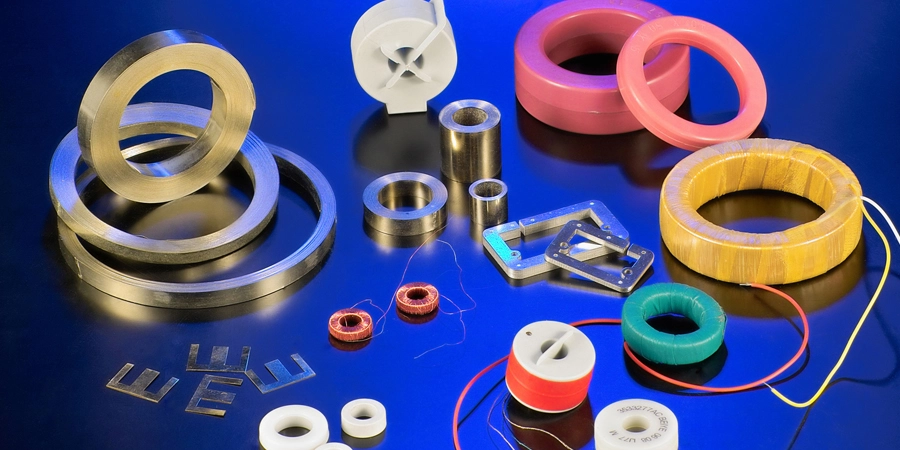 Magnetic Cores and Components
Hall effect magnetic cores include laminate, strip wound and wire cores which are all with gap. They are widely used for industry control, safety guard, motor industry and the emerging consumer electronics industry.
Magnetic Cores and Components
Hall effect magnetic cores include laminate, strip wound and wire cores which are all with gap. They are widely used for industry control, safety guard, motor industry and the emerging consumer electronics industry.