Thank You for Your Attention on Beiye!


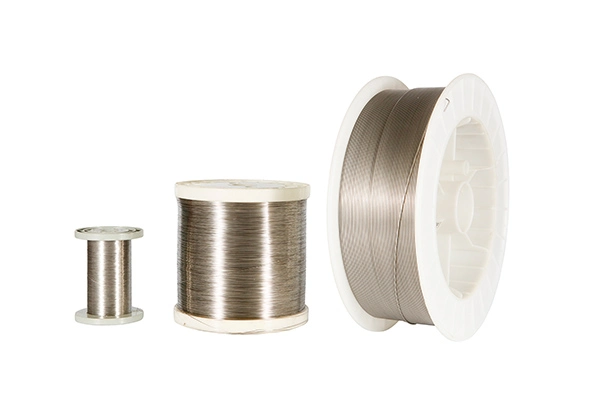
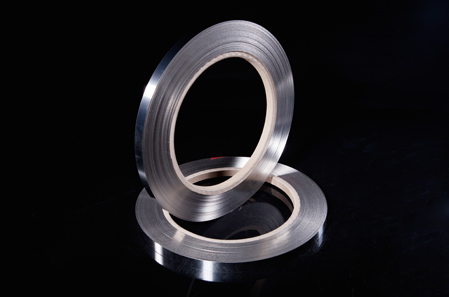
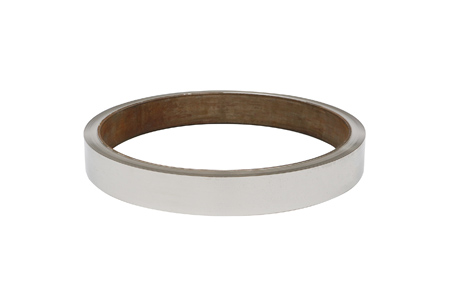
Nickel-base corrosion resistant alloy has unique corrosion resistance even high temperature corrosion resistance in many industrial environments. It has high strength, good plasticity, can smelting, forging, hot and cold deformation, processing and forming and welding performance. Nickel-base corrosion resistant alloy mainly includes Ni-Cu, Ni-Cr, Ni-Fe -Cr system and Hastelloy series. Nickel-based corrosion resistant alloy has been widely used in harsh environment such as the petrochemical industry, the nuclear industry and energy, etc. As a premier precision alloy manufacturing company, Beiye is ready to offer more precision alloy and supply services.
Beiye | China Standard | America | Germany | France | Japan |
| Monel 400 | MCu-28-1.5-1.8 | N04400 | NiCu30Fe | --- | --- |
| N80A | --- | Nimonic 80A | --- | --- | --- |
When selecting corrosion-resistant alloys, consider the following key factors:
Understand the conditions the alloy will face, such as humidity, saltwater, temperature, and chemical exposure. Corrosion accelerates in moist, salty, or acidic environments.
Different alloys offer varied strengths, weight, machinability, and corrosion resistance:
Aluminum: Lightweight, strong, with natural oxide layer; good for general use and aerospace.
Titanium: High strength-to-weight ratio, excellent corrosion resistance, ideal for medical and aerospace.
Stainless Steel: Contains chromium for passivation; grades like 304, 316, and 17-4PH vary in corrosion and heat resistance.
Cobalt Chrome: Stronger and more wear-resistant than stainless steel; biocompatible for medical implants.
Inconel: High strength and heat resistance; suited for extreme environments.
Brass & Copper: Excellent machinability and conductivity; used in plumbing, electrical, and antimicrobial applications.
For a detailed overview of corrosion-resistant alloys and their applications, please visit the full article Finding the Right Corrosion-resistant Alloys.
High resistance alloys, such as stainless steels, nickel-based alloys, and titanium alloys, are specifically designed to withstand harsh environments, including exposure to corrosive substances like acids, alkalis, salts, and moisture. Their ability to resist corrosion extends the lifespan of components, reduces maintenance costs, and ensures operational reliability in industries such as oil and gas, chemical processing, marine, and aerospace. For example, alloys like Inconel or Hastelloy thrive in extreme conditions, such as high-salinity seawater or acidic solutions, where standard materials would degrade rapidly.
Beyond corrosion resistance, high resistance alloys maintain excellent mechanical strength, toughness, and durability. These alloys can endure high stress, pressure, and wear without compromising structural integrity. For instance, duplex stainless steels combine high tensile strength with corrosion resistance, making them ideal for pipelines and pressure vessels. This balance of strength and resilience ensures that components made from high resistance alloys perform reliably under mechanical loads, even in aggressive environments.
Many corrosion resistant alloys exhibit exceptional performance at elevated temperatures, making them suitable for applications involving extreme heat, such as in gas turbines, power generation, and high-temperature chemical reactors. Alloys like nickel-chromium or cobalt-based superalloys retain their strength and resist oxidation or scaling at temperatures where conventional metals would fail. This heat resistance is critical for maintaining performance and safety in high-temperature environments.
Corrosion resistant alloysare highly workable, allowing them to be fabricated into complex shapes through processes like welding, forging, casting, and machining. Their versatility enables manufacturers to produce a wide range of components, from intricate fittings to large structural parts. Additionally, advancements in alloy design and manufacturing techniques have improved the ease of processing corrosion resistant alloys, reducing production costs while maintaining their superior properties.
While rust resistant alloys may have a higher initial cost compared to standard materials, their longevity and low maintenance requirements result in significant cost savings over time. By minimizing corrosion-related failures, downtime, and replacements, corrosion resistant alloys enhance operational efficiency and reduce lifecycle costs, making them a cost-effective choice for critical applications.
The combination of corrosion resistance, mechanical strength, and heat tolerance makes rust resistant alloys suitable for diverse industries. In oil and gas, they are used in pipelines and offshore platforms exposed to corrosive seawater. In aerospace, they withstand high temperatures and stresses in jet engines. In medical applications, alloys like titanium are prized for biocompatibility and corrosion resistance in implants. This adaptability ensures corrosion resistant alloys meet the specific needs of various sectors.